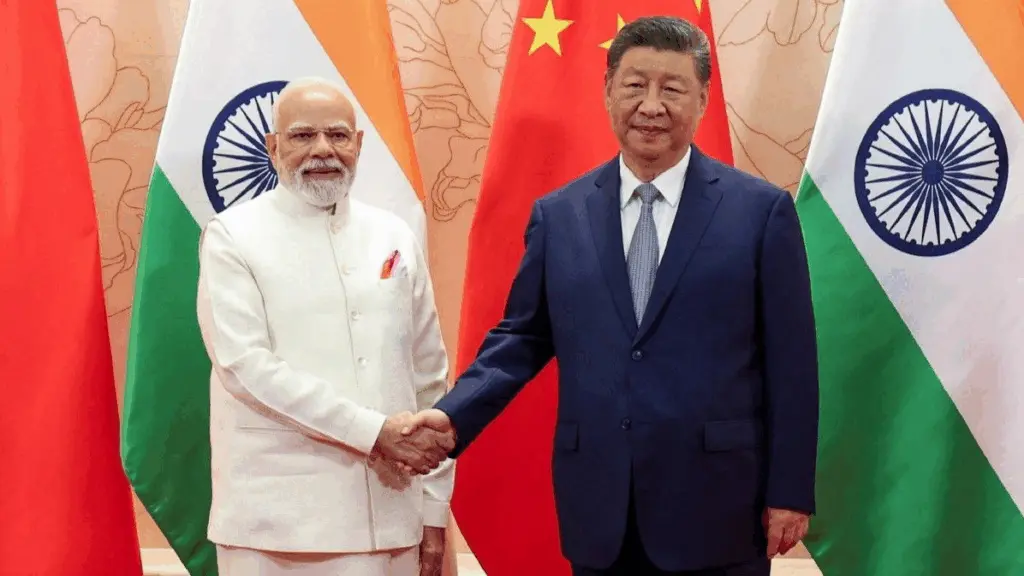

amynicole – Indian Prime Minister Narendra Modi and Chinese President Xi Jinping expressed optimism about a renewed phase of cooperation during their meeting at the Shanghai Cooperation Organisation (SCO) summit in Tianjin. This marks Modi’s first visit to China in seven years and comes after a period of prolonged tensions. Including a deadly border standoff in 2020. Both leaders emphasized a shift toward partnership, underscoring the need to look beyond rivalry.
Read More : No U.S. Equity Stakes Planned for TSMC in CHIPS Deal
Xi told Modi that China and India should be “partners, not rivals,” and urged both sides to manage their relationship from a long-term and strategic perspective. Modi echoed the sentiment, stating there is now an “atmosphere of peace and stability” between the two nations. In a notable gesture, Modi announced that direct flights between India and China—suspended since the 2020 border clashes—will resume, though he did not specify when.
The SCO meeting provided a backdrop for this diplomatic reset. The group, founded in 2001 by China, Russia, and four Central Asian nations. Has grown into a 10-member regional bloc that includes Iran and Pakistan, with 16 dialogue partners and observers. The summit offered a platform for shared concerns and future cooperation. Despite its largely symbolic nature. The event comes at a pivotal time in global affairs and allows major players to align positions.
Xi’s meeting with Modi stands out amid a shifting global balance. With India’s ties to the US under pressure from new tariffs and energy disputes. Modi’s approach signals a recalibration in India’s foreign policy. Analysts see growing economic interdependence and geopolitical necessity as factors that could bring China and India into closer alignment despite their historical differences.
SCO Summit Showcases China’s Regional Influence and Tianjin’s Grand Reception
The SCO summit in Tianjin is the largest gathering in the group’s history. Attracting over 20 world leaders, including Russian President Vladimir Putin. The city has transformed into a heavily secured diplomatic stage. With roads blocked and local transportation suspended to make way for foreign motorcades. Chinese authorities deployed extensive security measures, advising the city’s 13 million residents to stay near their homes during the summit.
Despite the disruptions, public enthusiasm in Tianjin remains high. Crowds have gathered each night along the river to view elaborate light shows projected onto skyscrapers. Streets surrounding the historic Jiefang Bridge have been packed, creating difficulty for pedestrians to move freely. Still, the festive atmosphere reflects a national effort to highlight China’s growing role in regional diplomacy.
Read More : Elon Musk’s xAI Files Suit Over Grok Prompt Limits
Putin arrived in Tianjin to a red carpet welcome, reaffirming China-Russia alignment at a time when both face increasing isolation from the West. The SCO’s founding purpose—to act as a counterbalance to Western alliances like NATO—remains central to this year’s meeting. Ongoing trade conflicts and security disputes, including the US imposing 100 percent tariffs on imported semiconductors, have added urgency to the bloc’s mission.
With Xi and Modi’s meeting symbolizing a thaw in bilateral relations, and with the SCO gaining visibility, China has used this summit to position itself as a central figure in a changing world order. The event also precedes a major military parade in Beijing to mark 80 years since the end of World War Two, further reinforcing themes of historical continuity and geopolitical ambition. As regional leaders navigate complex alliances, the summit signals that Asian powers may increasingly set their own course, independent of Western influence.