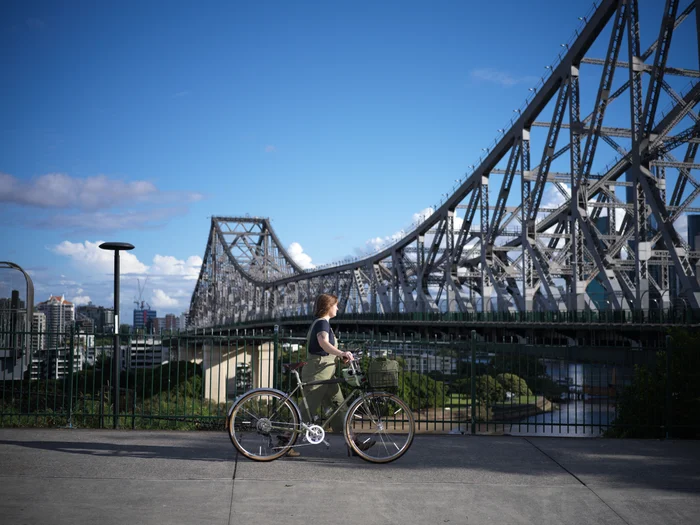

amynicole –On March 5, the footpaths on both sides of Brisbane’s iconic Story Bridge were unexpectedly closed. Halting the regular cycling and pedestrian routes for thousands of commuters. For people like Casey Gardiner, who rides her e-bike from Brisbane’s northern suburbs to her job on the southside. This sudden closure caused a major disruption. The closure has left many cyclists and pedestrians scrambling for alternative routes, revealing deeper issues with the city’s cycling infrastructure.
Initial Reason for Closure: Storm Safety and Delays
At first, the Brisbane City Council explained that the closure was due to safety concerns related to ex-Tropical Cyclone Alfred. As the storm passed, the threat subsided, and life resumed. However, despite the storm’s weakening and the reopening of other city services, the Story Bridge footpaths remained closed. The council cited ongoing assessments of storm damage and plans for a future bridge restoration project as the reasons for the extended closure.
Read More : Nissan to Cut 11,000 Jobs, Close 7 Global Factories
Ongoing Uncertainty and Frustration
As weeks passed, there was little communication from the council about when the footpaths would reopen. Cyclists like Gardiner, who rely on the Story Bridge for their daily commutes, were left stranded without a clear alternative. The council’s suggestion of using another bridge located over two kilometers away proved impractical and unsafe for many cyclists. Especially during late hours, this lack of communication added to the frustration. As many commuters were unaware of the closure until they reached the locked gates, with no clear directions or alternatives.
Challenges for Cyclists: Navigating Disrupted Infrastructure
Cyclists and pedestrians, already accustomed to navigating gaps in Brisbane’s infrastructure, found this disruption even more challenging. Kathryn Good, another local cyclist, explained that the closure forced her to take a detour through the CBD, adding 40 minutes to her commute. The detour came with additional complications. Such as the Saint Patrick’s Day parade, which made the already congested CBD even harder to navigate. Many commuters like Good, who once relied on the bridge’s convenient location, were forced to abandon their rides altogether.
Cycling Advocates Call for Change in Policy and Infrastructure
Brisbane’s cycling advocates have raised their voices in response to the closure. Calling for improved infrastructure that can withstand such disruptions. Paul French, from the Brisbane CBD Bicycle User Group, emphasized the city’s need for better resilience in its cycling network. He highlighted the ongoing issue where temporary closures or developments can render large parts of the cycling infrastructure unusable. French also proposed that one of the six lanes on the Story Bridge be repurposed for active travel. But he remains doubtful that the city’s policymakers will take such steps.
A Wider Issue: Improving Cycling Infrastructure in Brisbane
The Story Bridge closure brings to light the broader challenges facing Brisbane’s cycling infrastructure. Bicycle Queensland’s advocacy director, Andrew Demack, pointed out that while the city’s bike network has seen improvements in recent years, it lacks resilience. Gaps in the network, particularly those caused by construction and unexpected closures, continue to undermine the city’s progress toward becoming a more bike-friendly urban center. Demack stressed the need for clear communication, urgent repairs, and better alternatives when disruptions occur.
Dr. Michael Kane from the Royal Automobile Club of Queensland echoed these sentiments, pointing out that improving cycling infrastructure benefits everyone by alleviating congestion. With continued investment, cycling infrastructure could be a low-cost solution to some of Brisbane’s traffic problems, ultimately supporting a healthier, more sustainable transport system for the city.
Conclusion: The Need for Better Planning and Communication
The closure of the Story Bridge footpaths is more than just an inconvenience for Brisbane cyclists; it is a clear sign of the city’s lack of preparation for infrastructure disruptions. The ongoing uncertainty surrounding the footpath closure highlights the need for better planning, communication, and resilience in the city’s active transport network. As Brisbane continues to grow, it’s crucial that policymakers recognize cycling as a vital form of transportation and invest in infrastructure that supports all commuters, not just those in cars.