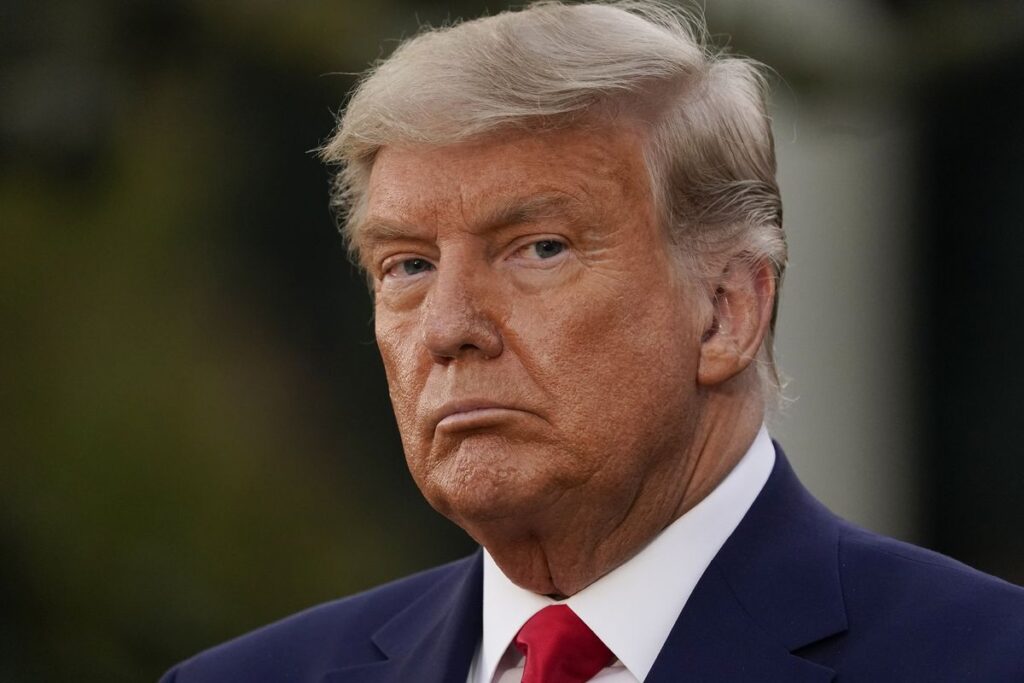

amynicole – President Donald Trump has signaled the introduction of new tariffs targeting foreign-made semiconductors. Expected to be announced within the coming week. In a recent interview with CNBC. Trump revealed his administration’s intention to expand on last week’s 15% tariffs by applying a separate category of duties specifically to chips and other electronics.
Read More : Grok Chatbot to Begin Displaying Ads in Responses
“We’re going to be announcing [tariffs] on semiconductor and chips, which is a separate category,” Trump said. “We want them made in the United States.” This move is part of a broader effort to encourage domestic chip production and reduce the U.S.’s reliance on foreign manufacturing.
Although Trump did not disclose specific rates or potential exemptions, The decision could impact major tech companies like Apple, AMD, Qualcomm, Nvidia, and Intel — all of which rely heavily on Taiwan’s TSMC (Taiwan Semiconductor Manufacturing Company) for chip production. While TSMC has begun operations at its Arizona fabrication facility, the bulk of its manufacturing remains in Taiwan.
Earlier this year, TSMC requested an exemption from potential tariffs, warning that higher costs could reduce demand for chips in the U.S. and threaten its ability to fund the expansion of its Arizona plant. The company has committed to building six fabs in Arizona. But added that the financial pressure from tariffs could disrupt its timeline.
These latest tariff plans follow a broader pattern from the Trump administration to bolster domestic manufacturing in strategic sectors. Last month, the administration imposed 15% tariffs on a wide array of goods from the EU, Japan, and other markets. Aiming to address trade imbalances and perceived vulnerabilities in global supply chains.
Tariff Plan Reflects Security Concerns and Supply Chain Strategy
Trump’s new semiconductor tariff plan aligns with his administration’s broader strategy to treat the electronics supply chain as a matter of national security. In a Truth Social post earlier this year, Trump emphasized the need for U.S.-based production of chips and electronics. Citing potential risks posed by dependence on foreign — particularly Chinese — supply chains.
“We are taking a look at semiconductors and the whole electronics supply chain in the upcoming National Security Tariff Investigations,” Trump posted. He added that the U.S. “will not be held hostage by other countries, especially hostile trading nations like China.”
In April, the administration temporarily exempted semiconductors, smartphones, and laptops from “reciprocal tariffs” on China. However, officials signaled that a separate category of duties aimed specifically at electronics made in China was being developed.
Read More : GPT-5 AI Leak Reveals Key Features and Launch Info
If enacted, the tariffs could drive up the cost of components for devices like smartphones. Laptops, and gaming consoles, placing additional financial pressure on manufacturers and consumers. At the same time, they may serve as a catalyst for companies to accelerate investment in U.S.-based chip production to avoid future costs.
The effectiveness of these tariffs will depend on how companies respond and whether the U.S. can ramp up domestic production quickly enough to meet demand. Companies like Intel and TSMC have already begun reshoring efforts, but building out infrastructure and talent pipelines will take time.
As the announcement nears, global chipmakers and electronics manufacturers are watching closely. With the growing geopolitical importance of semiconductors. Trump’s upcoming tariff decision could shape the future of the global tech industry — and redefine how countries approach supply chain independence.