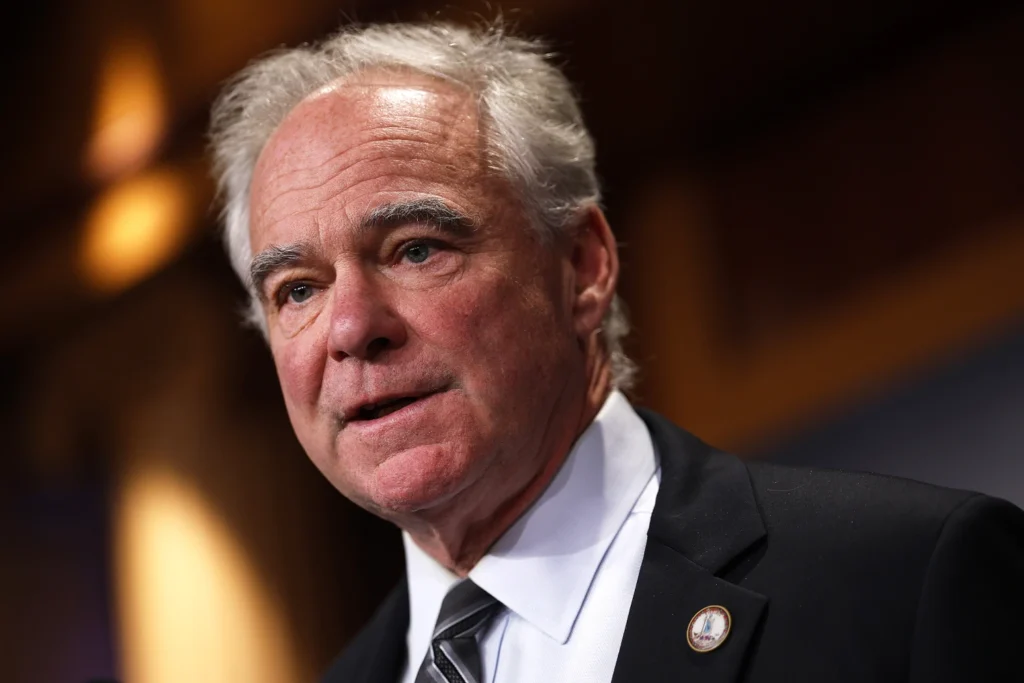

amynicole – On Friday, the Senate rejected a resolution aiming to block President Trump from further military actions against Iran. The vote was 47 against and 53 in favor. The resolution sought to require congressional approval before any new strikes. Senator Tim Kaine introduced the measure days before the U.S. bombed Iran’s nuclear sites. Despite Democratic support, most Republicans opposed the resolution. Senator Rand Paul broke party lines by supporting the measure, while Democrat John Fetterman voted with Republicans against it.
Read More : Judge Rules Trump Order Against Law Firm Unconstitutional
Trump’s Military Actions and Claims of Success
President Trump announced a ceasefire and claimed that Iran’s nuclear facilities were “obliterated” after a 12-day conflict. He also stated he would consider more bombings if uranium enrichment levels rose. Intelligence officials said the strikes severely damaged Iran’s nuclear program. CIA Director John Ratcliffe and intelligence chiefs said rebuilding would take years. Defense Secretary Pete Hegseth called the strikes “historically successful.” However, some officials question the full extent of the damage caused.
Congressional Briefings and Doubts About Transparency
Lawmakers received classified briefings about the strikes after initial delays. Many Democrats remain skeptical about the administration’s portrayal of the attacks. Senator Chris Murphy said he believes Iran still retains significant nuclear capabilities. Representative Jason Crow highlighted differences between public statements and classified intelligence. House Minority Leader Hakeem Jeffries criticized the White House for failing to provide proof of an imminent threat. Despite concerns, Jeffries voted with Republicans to defeat a related impeachment resolution against Trump.
Legal and Political Debate Over War Powers
Senate Majority Leader John Thune defended Trump’s constitutional authority to act without Congress. He cited historical precedents where presidents launched military actions independently. Senator Rand Paul argued Congress is shirking its constitutional duty by allowing unilateral presidential decisions. He warned the strikes could backfire strategically. Some Republicans softened their stance after the ceasefire and avoided pushing for a vote. House Speaker Mike Johnson called the resolution irrelevant due to the ceasefire agreement between Iran and Israel.
Importance of Congressional Oversight on Military Actions
Senator Tim Kaine stressed that Congress must debate and approve any new military conflict. He emphasized the gravity of war and the need for transparency. Kaine wanted senators to publicly record their positions on U.S. involvement in Iran. This debate reflects broader tensions over executive power in military decisions. The resolution’s defeat highlights ongoing disagreements over checks and balances. The Senate’s refusal to restrict Trump leaves future military options open without clear congressional limits.