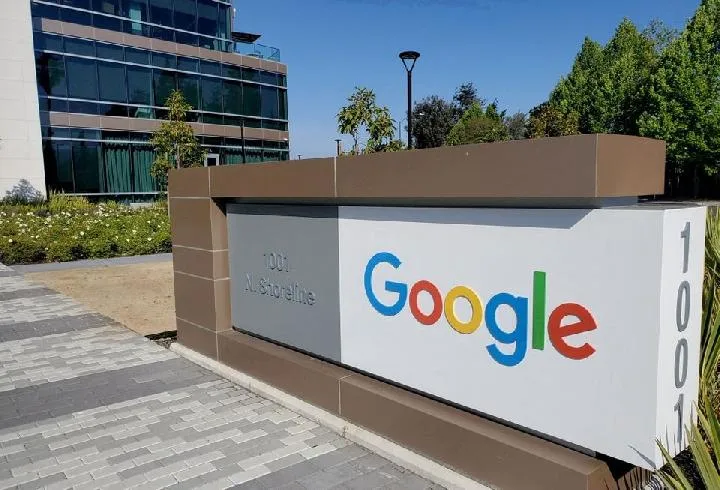

amynicole – Google has finalized a $3 billion agreement with Brookfield Asset Management to access 3,000 megawatts of hydroelectric energy. This strategic move supports Google’s rising energy needs as it rapidly scales up artificial intelligence and cloud computing services. The deal, announced by Brookfield’s renewables division, marks the largest hydroelectric agreement of its kind to date.
Read More : Apple Invests $500M in U.S.-Made Rare Earth Magnets
The initial phase provides 670 megawatts of carbon-free electricity from Brookfield’s Holtwood and Safe Harbor plants in Pennsylvania. This clean energy will support Google’s infrastructure on the PJM grid, which serves about 65 million people in the U.S. As power demands from AI continue to surge. Google aims to use low-cost, sustainable energy sources to reduce its environmental impact.
Google and Brookfield also signed a Hydro Framework Agreement (HFA). allowing the tech giant to improve or expand the generation capacity at existing hydro sites. The agreement includes future flexibility to extend operations into other regions, enhancing the resilience and reach of Google’s energy supply.
According to Google, the partnership reflects its broader commitment to building sustainable digital infrastructure. “We are responsibly growing the digital infrastructure that powers daily life for people, communities, and businesses,” the company said in a public statement.
Clean Energy Push Comes Amid Rising AI Infrastructure Demands
The timing of this deal underscores the growing strain that AI systems place on global energy and water resources. Just days after Google’s announcement, Meta revealed plans to spend hundreds of billions of dollars to build data centers for developing advanced AI models. Its new Ohio-based campus, Prometheus, will be among the largest data hubs in the world when it launches next year.
As AI data centers grow in size and complexity, their demand for energy and cooling capacity has drawn increasing scrutiny. A single data center can use around 500,000 gallons of water each day. For AI-specific facilities, that number could rise into the millions. The New York Times recently reported that these growing demands can strain local water supplies. Driving up prices and potentially causing shortages for surrounding communities.
Google’s hydropower deal may help reduce reliance on fossil fuels and alleviate pressure on traditional energy grids. However, the industry’s long-term sustainability will depend on how responsibly tech companies manage the balance between innovation and environmental impact.
By securing large-scale access to renewable energy. Google is setting a precedent for tech firms navigating the complex demands of AI development. This agreement not only strengthens Google’s infrastructure but also signals a shift toward cleaner, more localized power sources in the race to power the next wave of artificial intelligence.