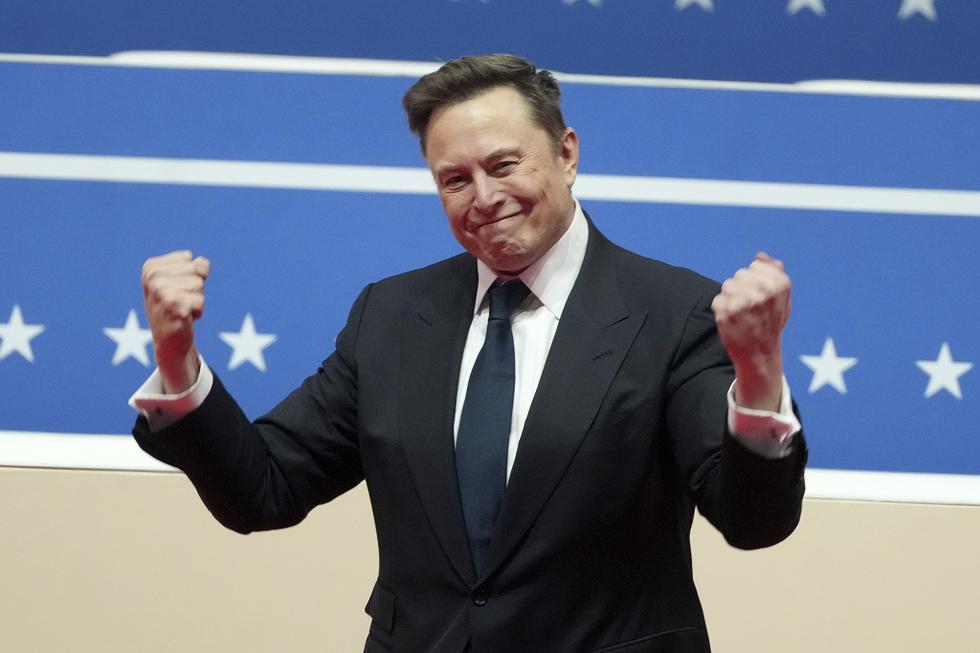

amynicole – In early July, Elon Musk declared the launch of the America Party. The tech billionaire promised it would end the dominance of the two major US parties. Musk said, “You want a new political party and you shall have it!” He criticized the current system as a “one-party system, not a democracy,” blaming waste and graft. Musk hopes the new party will restore freedom and serve as a true alternative to Democrats and Republicans.
Read More : Kash Patel Denies Leaving FBI Amid Epstein Files Ruling
He believes even a small number of seats could influence tight votes in Congress. Given growing public frustration with the two-party system, the idea seems timely. Polls show many Americans want a third party, and Musk’s social media survey found 65% support starting one.
However, the America Party faces immediate challenges. The domain name Americaparty.com is already taken, and the owner is asking for $6.9 million. On Musk’s own social platform X, the handle @AmericaParty was unavailable, forcing the party to use @AmericaPartyX. Musk has yet to clarify the party’s platform beyond opposing the national debt increase. There is no manifesto or detailed policy agenda.
Political scientist Bernard Tamas of Valdosta State University warns that new parties rarely succeed in winning congressional seats today. He says the entrenched two-party system controls all the resources and infrastructure needed to dominate elections. Musk’s party, born out of a feud with Donald Trump, appears hastily assembled without clear goals.
Tamas explains that historically, third parties succeed not by winning power but by pushing major parties to change. Third parties “sting like a bee” to highlight issues and pull Republicans or Democrats back toward the center. The Progressive and Farmer-Labor parties once influenced policies on unemployment relief and banking reforms without dominating Congress. Musk’s America Party could have a similar role if it focuses on disruption rather than immediate electoral wins.
Obstacles and Skepticism Surrounding the America Party
Musk’s party launches amid strong skepticism. The American public holds a largely unfavorable view of Musk. Recent polls show 60% of Americans dislike him, compared with 32% who view him favorably. This personal unpopularity could hinder the party’s appeal.
Moreover, Musk is consulting controversial figures such as Curtis Yarvin, a right-wing tech blogger who argues for replacing democracy with CEO-style rule. This association raises questions about the party’s direction and principles. Musk has not outlined specific policies or “contentious laws” his party will address, leaving its purpose unclear.
Musk’s America Party faces a crowded third-party landscape. The Forward Party, founded by Andrew Yang, promised to rise above left-right politics but has struggled to gain traction. Its limited success in small towns contrasts with Musk’s national ambitions. The lack of a clear ideology or platform leaves voters uncertain about what these parties stand for.
Experts note the real opportunity for third parties lies in exploiting dissatisfaction with the Republican Party’s shift toward the far right and MAGA ideology. This ideological move has created a political opening, but not one easily filled. Third parties historically do not replace major parties but influence their policies.
Read More : Elon Musk Links Grok’s Controversial Rants to Rogue Users on X
Musk’s America Party will need more than bold statements to succeed. Without a solid platform, widespread support, and clear leadership, its impact may remain symbolic. Still, the party could pressure Republicans and Democrats to reconsider their positions if it disrupts the status quo.
In conclusion, Elon Musk’s America Party brings renewed attention to the desire for political alternatives. Yet, the hurdles it faces—from organizational challenges to public skepticism—suggest a tough road ahead. Whether it becomes a meaningful political force or a temporary disruption remains to be seen.