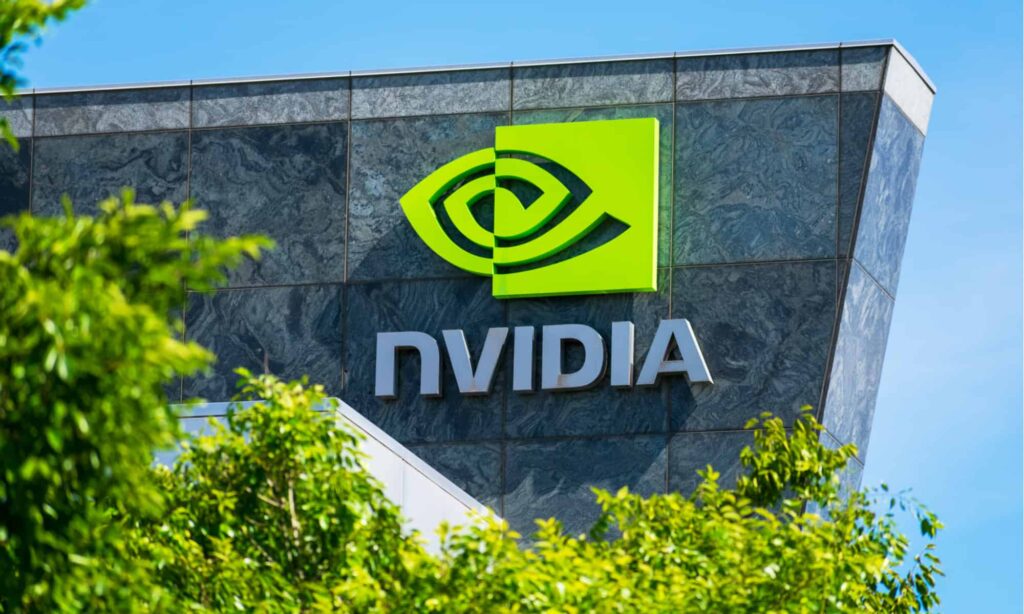

amynicole – Nvidia’s advanced AI chip, the H20 GPU, faces new scrutiny from China’s Cyberspace Administration. The agency flagged the chip as a potential spying risk shortly after the U.S. government approved its sale in China. Nvidia was summoned to address concerns over possible “backdoors” in the chip that could allow remote tracking or control.
Read More : Apple Open to Acquisitions to Boost AI Development
The Cyberspace Administration referenced a U.S. Senate bill sponsored by Senator Tom Cotton. The proposed legislation would require Nvidia to embed location-tracking technology on high-end GPUs to prevent adversaries like China from misusing the technology. Unnamed U.S. AI experts also reportedly warned that Nvidia’s chips may include mature tracking and remote shutdown functions.
In response, Nvidia denied all accusations of backdoors. The company emphasized, “Cybersecurity is critically important to us. Nvidia does not have ‘backdoors’ in our chips that would give anyone a remote way to access or control them.” Despite this assurance, China requested documentation to prove the H20 GPU is free from spying risks.
Meanwhile, Nvidia has commissioned Taiwan’s TSMC to manufacture 300,000 units of the H20 chip for China. This large order signals strong demand and widespread adoption in Chinese data centers. Although the chip was downgraded to comply with U.S. export restrictions, many experts and lawmakers worry it still enables China’s AI advancements, including military applications. This concern has contributed to the ongoing debate over the national security risks posed by exporting high-tech AI hardware.
U.S. Concerns and Nvidia’s Position on China AI Market
U.S. lawmakers remain apprehensive about the implications of selling powerful AI chips like the H20 to China. Despite restrictions, Democratic lawmakers argue that the chip’s capabilities could accelerate China’s AI development, potentially threatening U.S. security interests. The chip’s advanced performance may give China an edge in AI research and military technology.
Nvidia CEO Jensen Huang has publicly defended the company’s sales to China. He argues that China’s AI development is inevitable, with or without access to American technology. “The question is not whether China will have AI. It already does. The question is whether one of the world’s largest AI markets will run on American platforms,” Huang said in May.
Read More : Trump’s AI Strategy Sparks Debate Over Its Real Impact
The U.S. Commerce Department has stressed that all H20 exports to China still require licenses, which are reviewed carefully to balance national security concerns with economic benefits. The department’s statement reflects ongoing government efforts to manage the delicate balance between technology leadership and geopolitical risks.
This case exemplifies the broader challenge of regulating AI technology exports amid rising global competition. As AI becomes critical for economic and military power, the scrutiny on companies like Nvidia will intensify. The resolution of this dispute will shape how cutting-edge AI technology flows between the world’s two largest economies.