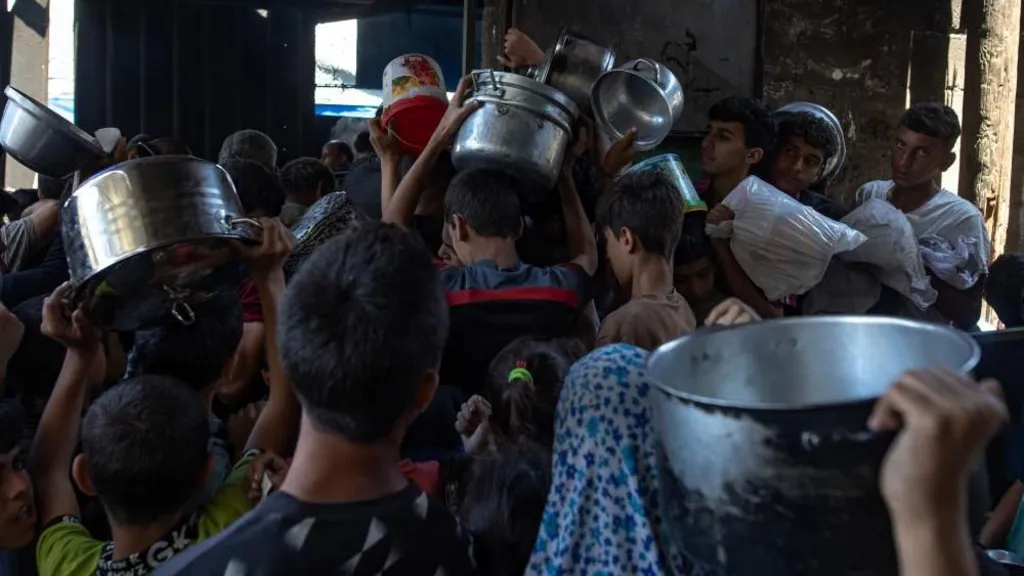

amynicole – After Israel partially lifted its 11-week blockade, limited food supplies began trickling into Gaza, sparking chaos. Crowds overwhelmed bakeries distributing bread, forcing many to close temporarily due to security concerns. The scarcity intensified desperation, as many Gazans waited in long lines to secure basic food. Amid growing hunger, an aid convoy carrying flour was attacked overnight, igniting violence that further disrupted deliveries. The convoy, coordinated by the World Food Programme (WFP), was ambushed by armed gunmen while escorted by Hamas security officers. This firefight ended with an Israeli drone strike killing six Hamas personnel, escalating tensions and complicating aid efforts. The violent clashes highlight the fragile and dangerous environment that hampers the delivery of critical humanitarian supplies to Gaza’s population.
Read More : Indian Scientist Who Questioned the Big Bang Theory
Attack on Aid Convoy and Israeli Drone Strike Deepen Crisis
A convoy of 20 trucks carrying essential flour was en route to a warehouse in Deir al-Balah when it faced an armed ambush. Five unidentified gunmen fired at the trucks’ tires, trying to seize the cargo. Hamas security forces responded with a firefight. Israeli drones then targeted the Hamas unit, killing six officers and injuring others. Hamas condemned the strike as a deliberate attack on humanitarian personnel. Israel’s military stated that it targeted “Hamas terrorists” near the convoy to prevent aid from reaching militant groups. This violent incident further endangered humanitarian operations and underscored the complexity of delivering aid amid ongoing conflict and security risks in Gaza.
Limited Food Aid Fails to Meet Growing Needs of Gazans
Since the partial blockade lift, about 130 aid trucks have entered Gaza over three days, carrying food and medical supplies. However, international agencies warn this is far below the daily need of 500 to 600 trucks. The shortage of supplies has worsened hunger and anxiety among the population, many of whom are displaced by the fighting. The World Food Programme reported 15 of its trucks were looted overnight, increasing insecurity. The ongoing blockade and violence severely restrict aid flow, leaving millions at risk of starvation. Humanitarian groups call for secure and increased access to meet Gaza’s urgent needs and prevent a looming famine.
Residents’ Frustration Grows Over Food Distribution and Security
Angry crowds gathered outside bakeries on Thursday, desperate for bread, leading to chaotic scenes. Distribution centers became overcrowded and unsafe, forcing many bakeries to halt operations. Residents have criticized the current system overseen by the WFP, demanding a shift from handing out baked bread to distributing flour directly to families. This approach, locals say, would allow them to bake food safely at home or in shelters. Many Gazans face worsening living conditions with no electricity, limited water, and scarce medical supplies. The collapse of basic services, combined with ongoing airstrikes and displacement, compounds their daily struggles.
Humanitarian Crisis Deepens as Aid Falls Short of Gaza’s Needs
Despite some aid reaching Gaza, the supplies are a fraction of what is needed to support 2.1 million people. The UN reports that before the war, about 500 trucks delivered daily, but only a small portion arrives now. UN Secretary-General António Guterres described the current aid as “a teaspoon” compared to the “flood” required. Critical supplies, including baby food and medicine, have entered southern Gaza, but none have reached the northern regions. Medical workers report widespread malnutrition, with many patients fainting due to hunger. The UN and humanitarian organizations continue to call for urgent, large-scale delivery of aid and safe access to prevent a devastating famine and growing health crisis in Gaza.