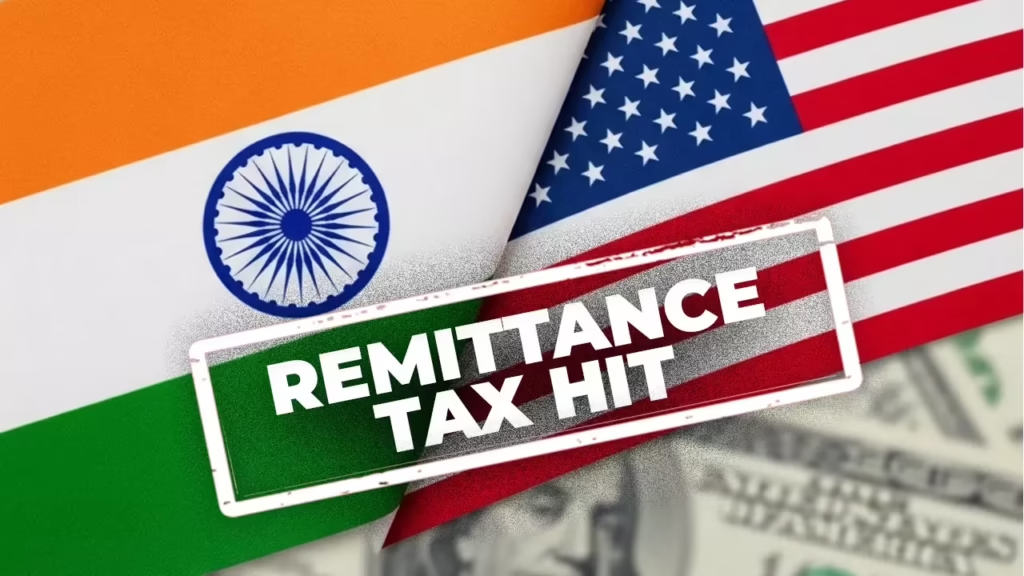

amynicole – President Donald Trump’s “One, Big, Beautiful Bill Act” includes a clause proposing a 3.5% tax on remittances sent abroad. This tax targets foreign workers in the U.S., including green card holders and H-1B visa holders. India, the world’s largest remittance recipient, faces serious financial implications if the tax is enacted. Experts warn the tax could reduce billions in money sent home by Indian migrants. The levy might also encourage informal, untraceable money transfers, hurting India’s stable source of foreign income.
India Leads Global Remittances with $119 Billion Sent Home in 2023
Indians living abroad sent $119 billion to India in 2023, surpassing foreign direct investment inflows. This amount finances about half of India’s goods trade deficit, according to Reserve Bank of India (RBI) economists. The United States contributes the largest share of these remittances. Millions of migrant workers send money for essential expenses such as healthcare, education, and housing. India has held the top spot for remittance receipts since 2008, with remittances accounting for nearly 3% of its GDP for over two decades.
Rising Indian Migration and US as Top Source of Remittances
India’s international migrant population has nearly tripled since 1990, growing from 6.6 million to 18.5 million in 2024. While the Gulf hosts nearly half of these migrants, skilled Indian workers increasingly move to advanced economies, particularly the U.S. The U.S. remains the world’s top remittance source, contributing nearly 28% of global remittances in 2023–24. Seventy-eight percent of Indian migrants in the U.S. work in high-paying sectors like business, science, and the arts. This growing diaspora plays a crucial role in India’s remittance economy.
Economic and Social Impact of a Remittance Tax on Indian Households
A 10-15% decline in remittances could cost India $12-$18 billion annually, tightening the dollar supply and putting pressure on the rupee. States like Kerala, Uttar Pradesh, and Bihar would feel the biggest impact since many households rely on remittances for daily expenses. The tax could reduce household consumption, investment, and savings, harming India’s economy during times of global uncertainty. Remittances often fund education, healthcare, housing, and small businesses, making the tax a direct hit on millions of Indian families.
Potential Responses and Global Ramifications of the Remittance Tax
The tax could push migrants to use informal methods to send money home, such as cash hand-carrying, friends, couriers, and unofficial networks like hawala. Migrants who already pay U.S. taxes could claim credits, so the tax mainly targets unauthorized migrants. Experts doubt the tax will deter migration or reduce remittances significantly, as migrants prioritize sending money home to support families. Other major remittance recipients like Mexico, China, and the Philippines also face potential losses. The final approval of the tax remains pending in the U.S. Senate and by the President.