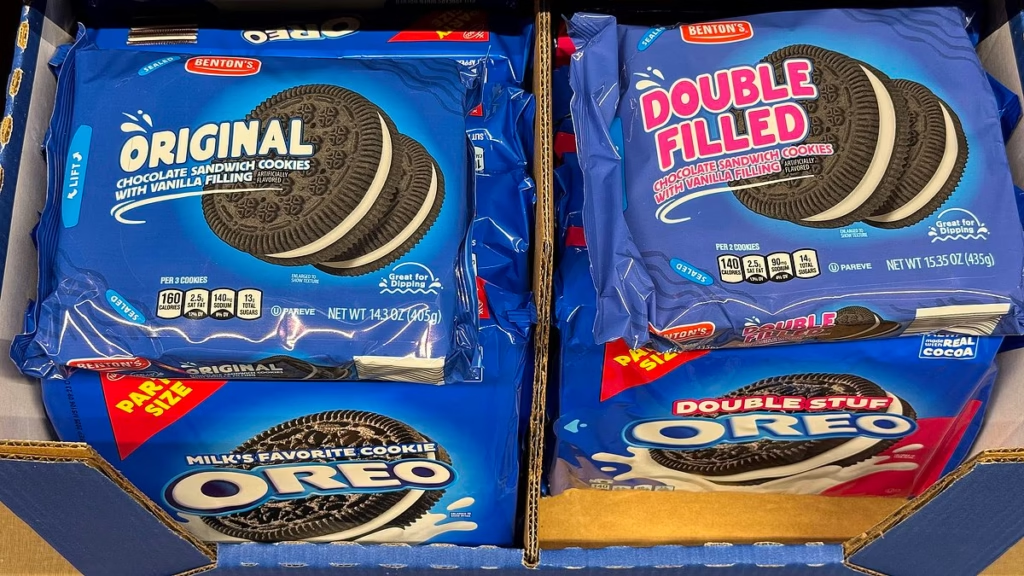

amynicole – Mondelēz International, the company behind Oreo, has filed a lawsuit against Aldi in the United States. The snack giant accuses Aldi of copying the packaging of its famous Oreo cookies. According to court documents, Mondelēz claims Aldi uses packaging that is confusingly similar and designed to deceive customers. The company argues Aldi is trying to take advantage of Oreo’s brand reputation and popularity by producing near-identical packaging for its budget snack versions.
The lawsuit was submitted in May and highlights how Aldi’s packaging imitates not only Oreo but also other Mondelēz brands such as Wheat Thins, Nutter Butter, Chips Ahoy!, and Ritz. Mondelēz says Aldi’s copies are part of a larger business strategy to sell low-priced private-label products resembling well-known brands. The company seeks legal action to protect its trademarks and prevent further consumer confusion caused by Aldi’s product packaging.
Read More : Singer Jessie J Shares Breast Cancer Diagnosis, Asks for Support
Mondelēz Accuses Aldi of Trademark Infringement and Unfair Competition
In the lawsuit, Mondelēz alleges trademark infringement, unfair competition, and unjust enrichment. The company states Aldi’s actions harm its brand’s integrity and cause financial losses. The court documents include side-by-side images showing striking similarities between Mondelēz’s packaging and Aldi’s discount versions. Mondelēz warns that if Aldi continues producing these products, it could cause irreversible damage to the Oreo brand.
Mondelēz representatives said they had tried to resolve the issue with Aldi directly, reaching out multiple times about the confusing packaging. While Aldi reportedly discontinued or changed the packaging for some products, the company has allegedly continued selling other items with nearly identical designs. This ongoing practice prompted Mondelēz to pursue formal legal action to protect its intellectual property rights and brand reputation.
Aldi’s Discount Business Model Faces Legal Challenges Over Copycat Products
Aldi, a German-headquartered discount supermarket chain, operates more than 2,500 stores across the US. It is well-known for offering affordable alternatives to popular branded products. Mondelēz claims that Aldi’s business model depends on mimicking the look and feel of well-known brands to attract customers seeking lower prices. The lawsuit argues this practice misleads shoppers and unfairly benefits Aldi at the expense of established brands.
The legal battle comes amid increasing scrutiny of private-label products that closely imitate market-leading brands. Aldi’s pricing strategy appeals to budget-conscious consumers but raises concerns about trademark protection and consumer trust. Mondelēz’s lawsuit sends a message to retailers that copying packaging designs can lead to serious legal consequences.
Previous Trademark Disputes Show Aldi’s Pattern of Copying
This is not Aldi’s first legal challenge involving accusations of copying product packaging or appearance. Earlier this year, Aldi lost a trademark dispute with Thatchers, a cider producer. Thatchers accused Aldi of copying both the taste and appearance of its popular cider drinks. That case also centered on Aldi’s private-label strategy, which allegedly seeks to replicate successful branded products to attract consumers.
The repeated legal issues suggest a pattern in Aldi’s approach to private labeling. These cases highlight tensions between discount retailers and brand owners over intellectual property rights. Aldi’s success as a budget retailer depends partly on offering familiar products at lower prices, but these disputes reveal the risks of pushing the boundaries on product imitation.
What the Lawsuit Means for Consumers and Brands
Mondelēz’s lawsuit against Aldi aims to protect both the Oreo brand and consumer clarity in the marketplace. By challenging Aldi’s packaging practices, Mondelēz hopes to prevent confusion among shoppers who might mistake Aldi’s products for the original branded snacks. The company is also seeking damages to compensate for the harm caused by Aldi’s alleged infringement.
For consumers, the case raises awareness about the differences between branded products and cheaper alternatives. It highlights the importance of clear branding and packaging in helping buyers make informed choices. For retailers like Aldi, the lawsuit serves as a warning about the legal limits of copying packaging styles. The outcome could impact how private-label products are designed and marketed in the future, potentially influencing industry standards around brand protection and fair competition.