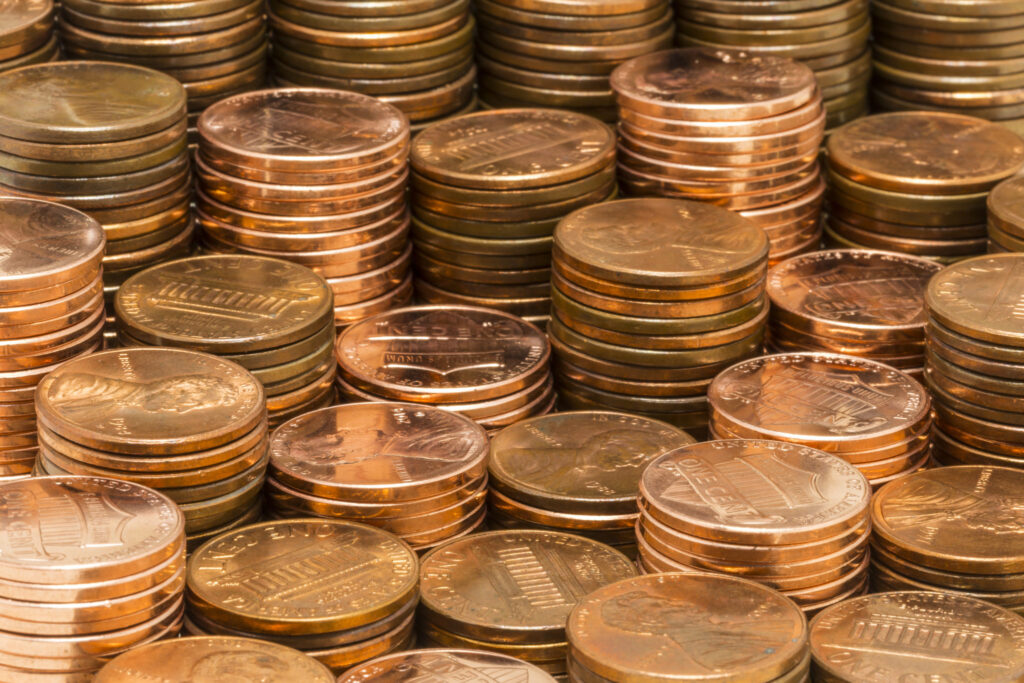

amynicole – The US Treasury Department has confirmed that it will stop producing one cent coins, commonly known as pennies, starting next year. Pennies have been in circulation in the United States for more than 200 years, but this decision marks the beginning of their phase-out. This move follows a directive from former President Donald Trump, who called penny production “wasteful” earlier this year. The decision ends a long debate over whether pennies are still useful given their rising production costs and limited purchasing power. The Treasury plans to use existing inventory to meet demand but will not mint new pennies after supplies run out.
Read More : Why Young US Men Join Russian Churches for Manliness
Rising Costs Drive Decision to End Penny Production
The penny entered circulation in 1793 as one of the first coins produced by the US Mint. However, over the last decade, the cost to produce a penny has sharply increased. According to the Treasury, it now costs 3.69 cents to make one penny, up from just 1.3 cents ten years ago. This means the government spends more than the coin’s actual value to create it. By ending penny production, the Mint expects to save around $56 million annually in material costs alone. Critics argue that the zinc and copper coins waste resources and money, especially as the penny’s value continues to fall against inflation.
Impact on Pricing and Business Transactions
With pennies no longer being minted, businesses will need to adjust how they handle cash transactions. The Wall Street Journal reports that prices will be rounded up or down to the nearest five cents when paying with cash. This rounding will help simplify transactions without pennies. Digital payments and electronic transactions, however, will remain unaffected. The Treasury has stated that it will finish producing pennies only until its current inventory of penny blanks runs out. This gradual phase-out approach ensures a smooth transition without immediate shortages of coins for everyday use.
International Examples of Phasing Out Small Coins
The United States is not alone in phasing out low-value coins. Canada discontinued its one cent coin in 2012 after citing the high cost of production and the coin’s decreasing purchasing power. Similarly, the United Kingdom has significantly reduced the minting of 1p and 2p coins, especially as cash use declines. In fact, the UK did not mint any new coins in 2024, relying on existing coins in circulation. These countries have found that removing low-value coins helps reduce costs while minimally affecting pricing or transactions. The US is following this global trend as it adapts to changing payment habits.
Future of Currency in a More Cashless Society
The decision to end penny production reflects larger changes in how people pay for goods and services. As more Americans use digital payments and cards, the demand for physical coins has dropped. While pennies will remain legal tender for now, their role in daily transactions is shrinking. The Treasury’s move to phase out pennies saves money and resources while encouraging businesses and consumers to adapt to a cashless future. Although some oppose the removal of pennies, citing charity donations or price control, the government sees this change as a necessary step toward modernizing the US monetary system. This transition aligns with global efforts to streamline currency and reduce unnecessary production costs.